

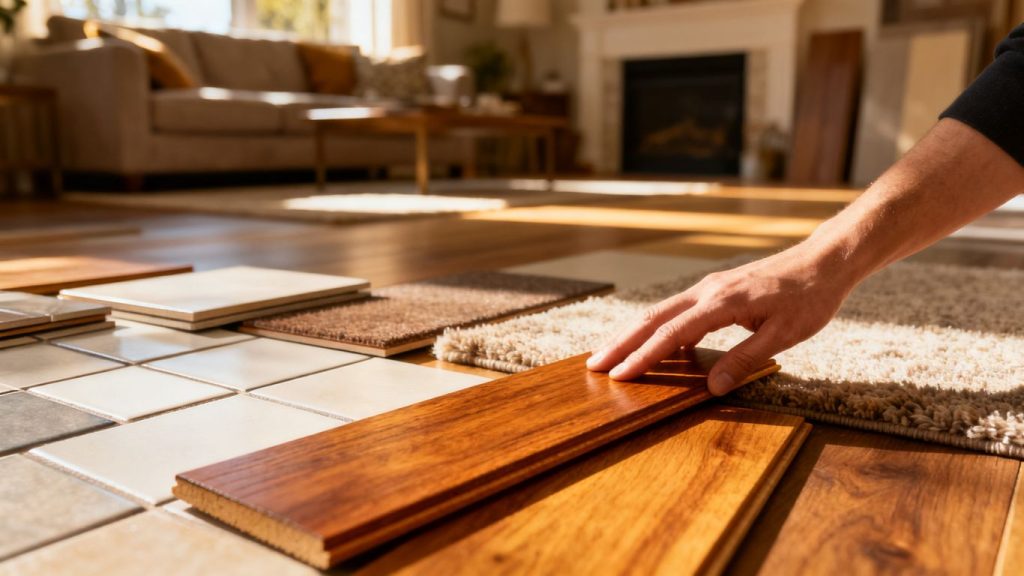
Planning a home renovation in Seneca, SC, can feel like a big project, especially when it comes to picking the right floors. We want our homes to look good and hold up well, right? Choosing new flooring involves looking at how we use our spaces, what kind of look we’re going for, and of course, what fits our budget. We’ll walk through some common flooring options Seneca SC has to offer and what to think about before you make a final decision.
Key Takeaways
- We need to check how much foot traffic an area gets and if it’s often wet before picking floors.
- We should look at the condition of the floor underneath what we have now.
- We have many flooring options in Seneca SC, like wood, vinyl plank, and tile, each with its own benefits.
- We must consider material costs, installation, and how long the floor will last to stay within budget.
- We need to think about how the new floors will look with our furniture and paint colors.
Understanding Your Home’s Needs
Before we even start looking at pretty samples, we need to get real about what our floors have to deal with day in and day out. It’s not just about looks, you know? Our homes in Seneca, SC, have their own unique demands, and picking the right material means thinking about how we actually live.
Assessing High-Traffic Areas
Think about the paths you walk most often. The hallway from the front door to the kitchen, the route from the living room to the bedrooms – these spots get a lot of foot traffic. We need to pick flooring that can stand up to constant wear and tear without looking worn out after just a year or two. Materials that are too soft or easily scratched won’t do well here. We’re talking about things like:
- Entryways
- Hallways
- Staircases
- Kitchens
- Family rooms
Considering Moisture Levels
This is a big one, especially with our local climate. Bathrooms, laundry rooms, and even basements can get damp. Some flooring materials, like certain types of wood, can warp or get damaged by too much moisture. We need to be smart about where we put what. For areas prone to getting wet, we’ll want something that handles water well, like tile or luxury vinyl plank.
Evaluating Subfloor Condition
What’s underneath the current flooring? The subfloor is the foundation for our new floors. If it’s uneven, damaged, or has issues, it can cause problems down the line, no matter how nice the new flooring is. We might need to do some repairs or leveling before we can even think about installing anything new. It’s best to get a good look at it, maybe even have a professional check it out, to avoid costly surprises later.
Sometimes, what looks like a simple flooring replacement can turn into a bigger project if the subfloor isn’t in good shape. It’s better to address these issues upfront than to deal with squeaky floors or uneven surfaces later on.
Exploring Popular Flooring Options Seneca SC
When we’re looking at flooring for our homes here in Seneca, SC, there are a few materials that consistently come up. They’re popular for good reasons, balancing looks, toughness, and how well they fit into our local lifestyle. We’ve got to pick something that not only looks good but can handle the everyday hustle and bustle.
Durable Hardwood Choices
Hardwood floors are a classic for a reason. They bring a warmth and natural beauty that’s hard to beat. For homes in our area, we often see oak, maple, and hickory being chosen. Oak is a real workhorse, known for its strength and the nice grain patterns. Maple is a bit harder and has a smoother look, while hickory is one of the toughest options out there, great for busy households. When considering hardwood, think about the finish – a matte finish can hide minor scratches better than a high-gloss one.
- Oak: Widely available, good durability, classic look.
- Maple: Harder than oak, smoother grain, lighter color.
- Hickory: Very hard and durable, distinct grain patterns.
Versatile Luxury Vinyl Plank
Luxury Vinyl Plank, or LVP, has really taken off, and it’s easy to see why. It’s incredibly versatile and can mimic the look of wood or stone without the high cost or maintenance. For kitchens and bathrooms, where moisture can be an issue, LVP is a fantastic choice because it’s waterproof. It’s also quite forgiving underfoot and holds up well to pets and kids. We’ve seen a lot of homeowners in Seneca choosing LVP for its practical benefits and the wide range of styles available.
LVP offers a great balance of aesthetics and practicality, making it a go-to for many renovations. Its ability to withstand spills and wear makes it a smart pick for active homes.
Timeless Tile Selections
Tile is another flooring option that stands the test of time, especially for areas like bathrooms, kitchens, and entryways. Ceramic and porcelain tiles are common choices. Porcelain is denser and less porous than ceramic, making it even more durable and water-resistant, which is a big plus in our climate. We can find tiles in just about any color, pattern, or size imaginable, from small mosaics to large format tiles that can make a room feel bigger. The key with tile is the grout – choosing a good quality, sealed grout will make cleaning much easier.
- Ceramic Tile: More affordable, good for walls and low-traffic floors.
- Porcelain Tile: Denser, more durable, excellent for high-traffic areas and moisture-prone spaces.
- Natural Stone Tile: Offers unique beauty but can be more expensive and require more sealing.
Budgeting for Your Renovation
When we plan a home renovation, especially for something as significant as new flooring, thinking about the money is a big part of it. It’s not just about picking out a pretty floor; we have to be realistic about what we can spend. Setting a clear budget from the start helps us make smart choices and avoid surprises down the road. We need to look at all the costs involved, not just the price tag of the material itself.
Material Costs Breakdown
The price of flooring materials can vary a lot. Some options are quite affordable, while others are a bigger investment. We should consider:
- Luxury Vinyl Plank (LVP): Generally falls in the mid-range, offering good value for its durability and appearance.
- Tile: Prices can range widely, from basic ceramic to high-end porcelain or natural stone.
- Hardwood: Often the most expensive upfront, but can add significant value to a home.
Here’s a rough idea of what we might expect, though prices in Seneca SC can fluctuate:
| Flooring Type | Estimated Cost Per Square Foot |
|---|---|
| Luxury Vinyl Plank | $2 – $7 |
| Ceramic/Porcelain Tile | $3 – $10 |
| Hardwood | $5 – $15+ |
Installation Expenses
Don’t forget the cost of putting the new floor in. This can add a substantial amount to the total project cost. Factors influencing installation costs include:
- The complexity of the room’s shape.
- The type of flooring being installed (some are trickier than others).
- Whether the old flooring needs to be removed and disposed of.
- The need for subfloor preparation or repair.
We should always get detailed quotes from installers. Sometimes, a slightly higher material cost might be offset by lower installation fees, or vice versa. It’s about the total picture.
Long-Term Value Considerations
While we’re looking at the initial cost, it’s also smart to think about how long the floor will last and what kind of value it brings over time. A cheaper floor that needs replacing in a few years might end up costing more than a pricier, more durable option. We should ask ourselves:
- How long do we expect this flooring to last?
- Will it hold up well to daily wear and tear in our home?
- Does this material tend to increase a home’s resale value?
Thinking about the lifespan and upkeep of a floor can save us money and hassle in the long run. A floor that’s easy to care for and stands the test of time is often a better investment, even if it costs a bit more upfront. We want something that looks good and performs well for years to come.
Aesthetic Considerations for Your Space
Choosing the right flooring is more than just picking something practical; it’s about making your home look and feel the way you want it to. We need to think about how the floors will fit with everything else in our renovation.
Matching Style and Decor
Our home’s style is a big part of its personality. Are we going for a modern, clean look, or something more traditional and cozy? The flooring we choose needs to play well with our existing furniture, wall colors, and overall vibe. For instance, a sleek, dark wood might look great in a contemporary setting, while a lighter, distressed plank could be perfect for a farmhouse feel. We should also consider how the flooring will transition into different rooms. Do we want a consistent look throughout, or are we okay with distinct styles in different areas?
Color and Pattern Impact
Color and pattern can really change how a room feels. Lighter colors tend to make a space feel bigger and brighter, which is great for smaller rooms or areas with less natural light. Darker colors can make a room feel more intimate and cozy, but they can also show dust and scratches more easily. Patterns can add visual interest, but we need to be careful they don’t overwhelm the space. A busy pattern might be too much for a small room, while a simple, solid color might feel a bit plain in a large open area. We’ve found that a neutral color often gives us the most flexibility down the road if we decide to change our decor.
Creating a Cohesive Look
To make our home feel put together, we want our flooring choices to flow nicely from one area to the next. This doesn’t mean every room has to have the exact same floor, but the materials and colors should complement each other. Think about how the flooring in the hallway connects to the living room, or how the kitchen floor meets the dining area. A well-chosen floor ties everything together, making the whole house feel more unified and intentional. We can use similar tones or styles to bridge different spaces, or even use a contrasting but complementary material for a deliberate design statement. It’s all about creating a visual harmony that makes our home feel like a complete, well-designed space.
Maintenance and Durability Factors
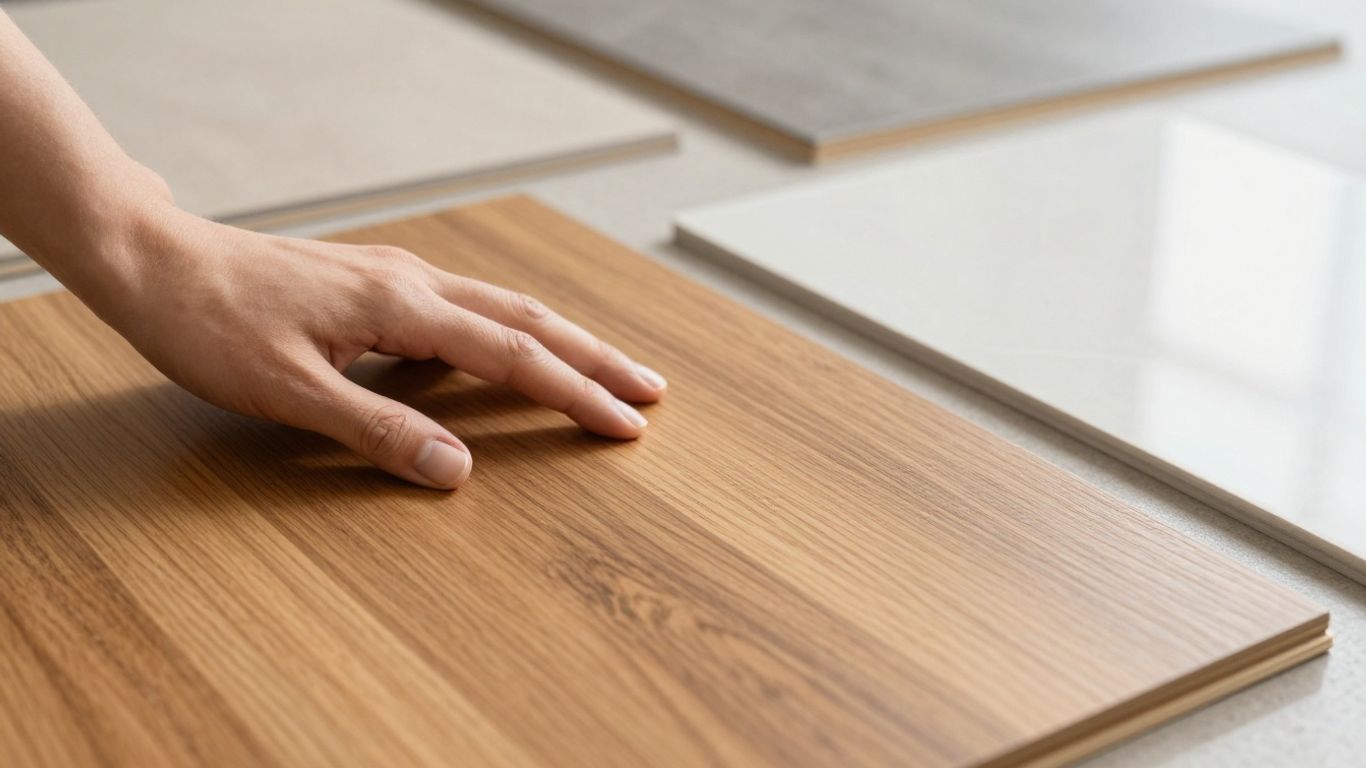
When we’re picking out new floors for our homes here in Seneca, it’s easy to get caught up in just how good they look. But we also need to think about how much work they’ll be to keep clean and how long they’ll actually last. This isn’t just about saving time; it’s about making sure our investment holds up over the years.
Ease of Cleaning
Some floors are just plain easier to maintain than others. Think about your daily routine. Do you have kids or pets that track in dirt? Are you someone who likes to keep things spotless with minimal effort? For busy households, a floor that wipes clean easily is a big win. Materials like luxury vinyl plank (LVP) are fantastic for this, often just needing a quick sweep and mop. Tile is also pretty straightforward, though grout lines can sometimes be a bit trickier.
Scratch and Stain Resistance
This is where durability really comes into play. We all worry about spills and scuffs, especially in areas with a lot of foot traffic or where furniture gets moved around. Hardwood, while beautiful, can show scratches more readily than some other options. Engineered wood and LVP tend to be more forgiving. Tile, especially porcelain, is very tough, but the glaze can sometimes chip if something heavy is dropped on it. We want a floor that can handle the everyday bumps and spills without looking worn out too quickly.
Longevity of Materials
How long do we expect this floor to be in our home? If we’re planning to stay put for a long time, investing in something with serious staying power makes sense. High-quality hardwood, for instance, can last for decades and can even be refinished to look new again. Tile is also known for its impressive lifespan. LVP has improved a lot, and many modern options are designed to last 20-30 years or more. It’s a trade-off between initial cost and how many times we might want to replace the flooring down the line.
We should consider not just the upfront cost but the total cost of ownership over the expected life of the flooring. A slightly more expensive material that lasts twice as long and requires less maintenance might actually be the more economical choice in the long run.
Here’s a quick look at how some popular options stack up:
- Hardwood: Can last 50+ years if cared for, but susceptible to scratches and water damage.
- Luxury Vinyl Plank (LVP): Typically 20-30 years, very resistant to water and wear.
- Tile: Can last 50+ years, highly durable, but can chip or crack under impact.
Choosing the right flooring means balancing its appearance with how it will perform day-to-day. We want a floor that looks great, is easy to care for, and stands the test of time in our Seneca homes.
Finding Local Expertise in Seneca SC
When you’re planning a home renovation, especially something as significant as new flooring, getting advice from people who know the local scene can make a big difference. We’ve found that talking to professionals right here in Seneca, SC, really helps.
Consulting with Flooring Professionals
We think it’s smart to chat with local flooring contractors and designers. They understand the types of homes common in our area, the climate’s impact on different materials, and what tends to hold up well. They can point you toward options that fit the Seneca lifestyle, whether that’s something tough for active families or elegant for entertaining.
- Ask about their experience with specific materials you’re considering.
- Discuss your home’s layout and how different rooms are used.
- Get their opinion on subfloor preparation, as this is often overlooked but vital.
Reviewing Local Showrooms
Visiting showrooms in Seneca is a great way to see and feel the flooring options firsthand. Online pictures don’t always capture the true texture or color. Seeing samples in person helps us make a more informed choice. We like to compare:
- Luxury Vinyl Plank (LVP): Look for realistic wood or stone looks.
- Hardwood: Check out the grain patterns and finishes.
- Tile: Examine the variety of sizes, colors, and textures.
It’s also a good chance to ask questions and get immediate feedback from the sales staff.
Understanding Installation Warranties
Beyond the material itself, how it’s put down matters a lot. We always ask about the installation warranty. A good warranty shows that the installer stands behind their work. It gives us peace of mind knowing that if something goes wrong shortly after installation due to a workmanship issue, it’s covered.
We learned that a cheap installation can end up costing more in the long run if it needs to be redone. It’s worth investing in reputable installers who offer solid warranties.
Don’t hesitate to ask for references or look up reviews for local companies. Their track record can tell you a lot about the quality of their work and customer service.
Wrapping Up Your Flooring Project
So, we’ve gone over a lot of ground when it comes to picking out the right floors for your home renovation here in Seneca. It can feel like a big decision, with so many options out there. But remember, taking your time and thinking about how you use each room, what look you’re going for, and your budget will really help. Don’t be afraid to ask questions at the local stores or even get a few samples to see how they look in your own light. We think you’ll find the perfect fit that makes your newly renovated home feel just right.
Frequently Asked Questions
What’s the best flooring for busy homes in Seneca?
For areas with lots of foot traffic, like hallways or family rooms, we often suggest materials that can handle a lot of wear and tear. Luxury vinyl plank is a great choice because it’s tough and looks good. It can stand up to kids, pets, and all the comings and goings without showing damage easily.
How do we handle moisture concerns with flooring?
If you’re thinking about flooring for bathrooms, kitchens, or basements where water might be an issue, it’s smart to pick something that doesn’t mind getting wet. Tile is a classic option because it’s waterproof. Newer options like waterproof luxury vinyl plank also work very well and offer a warmer feel underfoot.
Is hardwood flooring a good idea in South Carolina’s climate?
Hardwood can be beautiful, but we need to consider how humidity changes might affect it. Wood can expand and contract with moisture. If you love the look of wood, engineered hardwood or even high-quality laminate can be more stable options in areas with changing weather. We always check the subfloor first to make sure it’s ready.
What’s the difference in cost between flooring types?
The price can really vary. Basic vinyl or laminate might be more budget-friendly upfront. Hardwood tends to be more expensive, and the type of wood matters. Tile costs can also add up, especially for complex patterns. Don’t forget to factor in the cost of getting it installed, which can be a big part of the total.
How do we pick a floor that matches our home’s style?
Think about the overall feel you want for your home. Are you going for a modern look, a cozy farmhouse vibe, or something else? Colors and patterns play a huge role. Lighter colors can make a room feel bigger, while darker colors add warmth. We can help you find something that ties all your decorations together nicely.
What should we know about keeping our new floors clean?
Different floors need different care. Some, like tile or vinyl, are super easy to wipe down. Others, like carpet or certain types of hardwood, might need more specific cleaning products or techniques to avoid damage. We’ll discuss how easy each option is to maintain so you can choose what fits your lifestyle best.
