

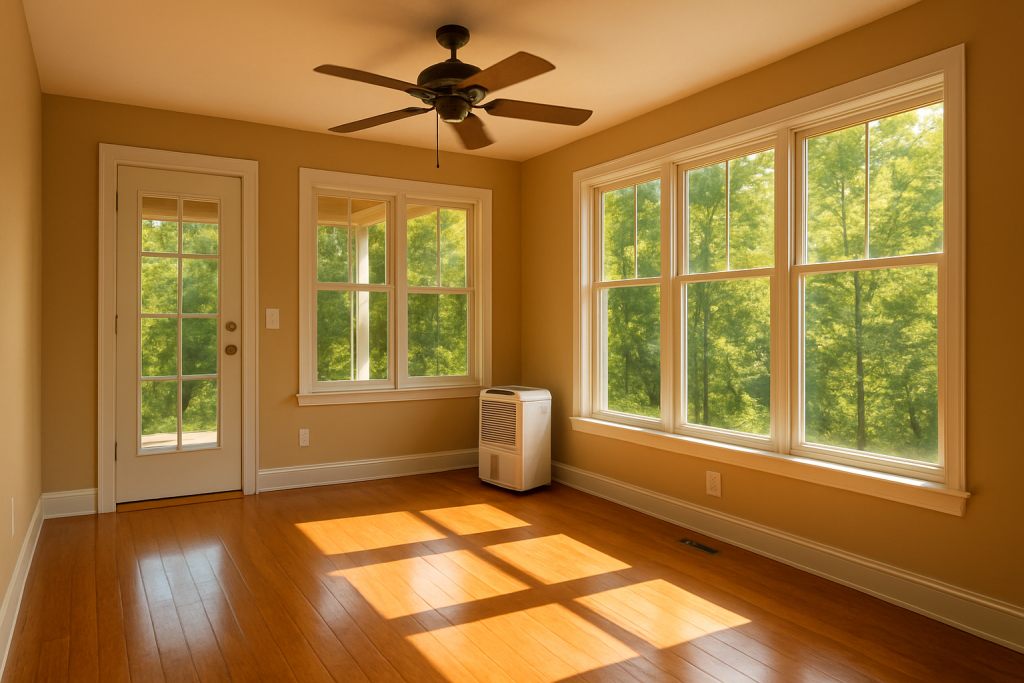
How to Protect Wood Floors from August Moisture and Temperature Swings in Seneca, SC
August in Seneca, SC has a personality of its own. One day feels like a steam bath rolling in from Lake Keowee, and the next afternoon brings a thunderstorm that drops the temperature fast and pushes humidity through the roof. For homeowners with hardwood floors, engineered wood flooring, or wood-look products, those late-summer moisture and temperature swings can lead to cupping, gaps, squeaks, finish issues, and long-term floor movement.
At Flaker Flooring LLC, we work in homes throughout Seneca and the surrounding Upstate area, so we understand what August weather does to flooring here. Protecting your wood floors is not about one quick trick—it is about controlling indoor conditions, cleaning correctly, spotting warning signs early, and choosing the right flooring professionals when it is time for repairs, refinishing, or replacement.
Key Takeaways:
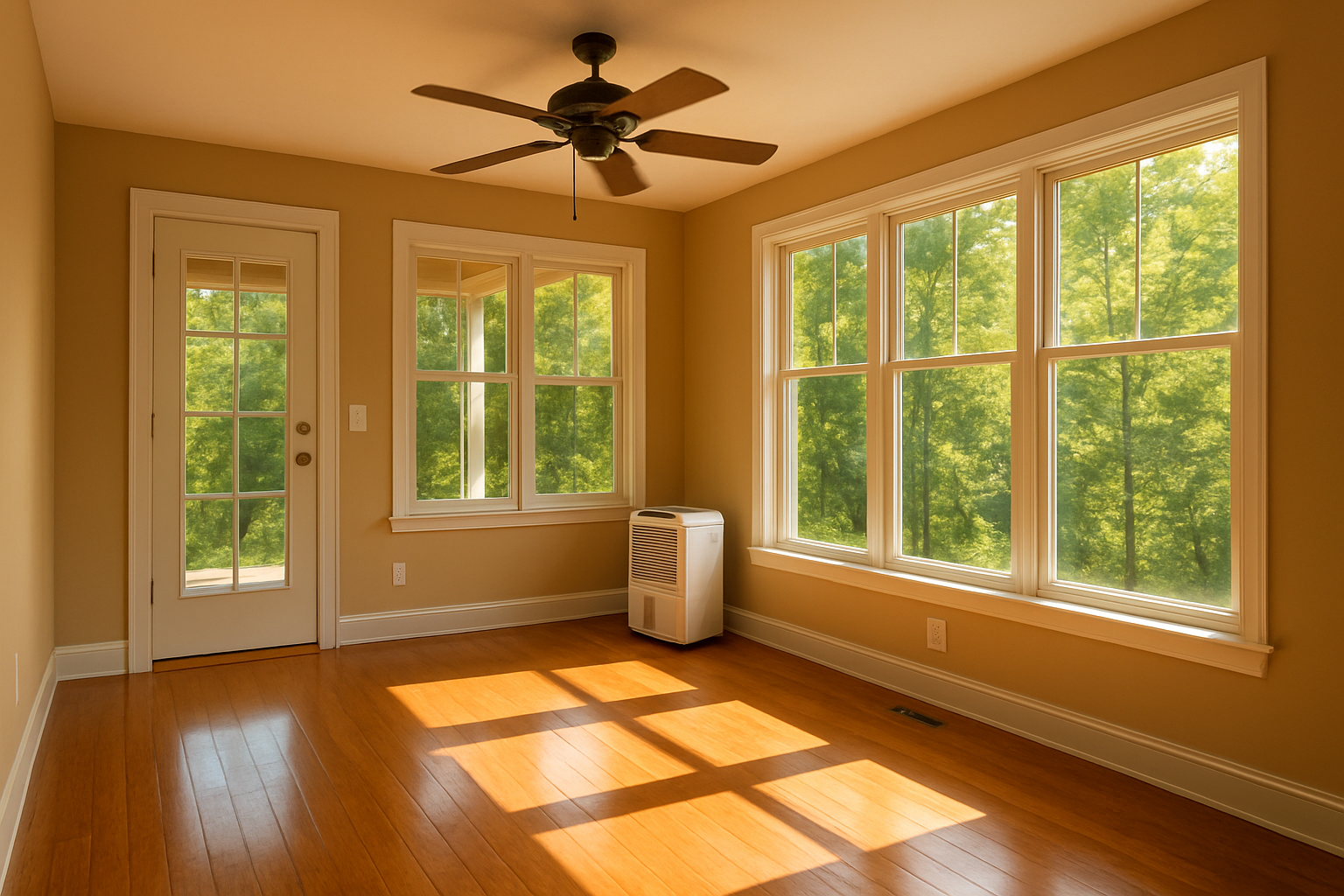
- Keep indoor humidity steady, ideally between 35% and 55%, to reduce wood floor expansion, cupping, and seasonal movement.
- Use air conditioning, dehumidifiers, and proper ventilation during August’s humid days and sudden storms in Seneca, SC.
- Clean spills and tracked-in moisture quickly, especially near entryways, kitchens, bathrooms, and lake-house doors.
- Watch for early signs of moisture problems, including raised board edges, musty smells, soft spots, and new squeaks.
- Choose a local flooring company like Flaker Flooring LLC that understands Upstate South Carolina humidity and proper wood floor installation practices.
Why August Weather Is Tough on Wood Floors in Seneca
Wood is a natural material, which means it responds to the environment around it. When humidity rises, wood absorbs moisture and expands. When indoor air dries out, wood releases moisture and contracts. In August, Seneca homeowners often deal with both heat and heavy humidity, followed by quick temperature changes from afternoon storms, air conditioning cycles, and cooler nights.
That back-and-forth movement can stress your flooring. Solid hardwood is especially sensitive, but engineered hardwood can also react if the indoor environment is not managed properly. Even luxury vinyl plank and laminate floors can be affected by moisture if water gets beneath the surface or into expansion gaps.
Common August flooring problems we see in the Seneca area include:
- Cupping: Board edges rise higher than the center due to moisture imbalance.
- Crowning: The center of the board rises, often after moisture exposure or improper drying.
- Gapping: Spaces appear between boards when wood contracts.
- Squeaking or popping: Flooring movement increases as boards expand and contract.
- Finish dullness or cloudiness: Excess moisture or improper cleaning products affect the floor’s surface.
Keep Indoor Humidity Under Control
The most important step in protecting wood floors during August is managing indoor humidity. In our area, outdoor humidity can climb fast, especially after rain or near the lake. Your goal is to keep the inside of your home stable instead of letting your wood flooring experience major swings.
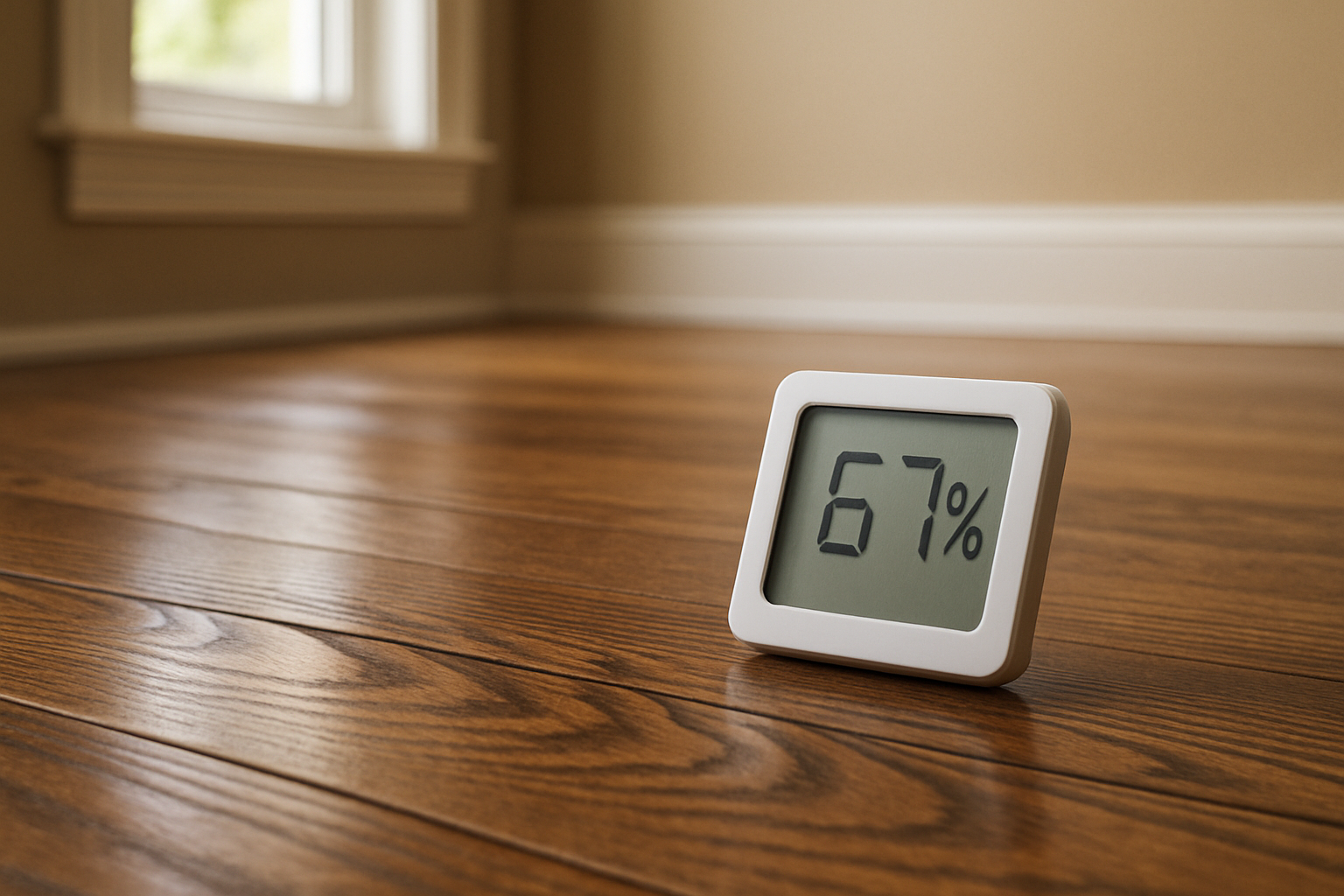
Most wood flooring performs best when indoor relative humidity stays between about 35% and 55%. You do not need to guess—a simple digital hygrometer can give you a quick reading and help you understand what is happening inside your home.
Helpful ways to manage humidity include:
- Run your air conditioner consistently instead of turning it off for long periods during hot, humid weather.
- Use a dehumidifier in moisture-prone areas such as basements, crawlspace-adjacent rooms, laundry rooms, and lake-entry areas.
- Keep windows and doors closed during humid mornings and stormy afternoons.
- Make sure bathroom fans, kitchen vents, and laundry vents are working properly.
- Have your HVAC system serviced so it can remove humidity efficiently.
For many Seneca homes, crawlspace moisture is also a major factor. If your wood floors are over a crawlspace, moisture below the house can affect flooring above. A damp crawlspace may cause cupping, musty smells, and long-term subfloor issues. If you notice moisture signs inside, it is worth checking underneath as well.
Protect Entryways from Rain, Mud, and Lake Traffic
August in Seneca often means pop-up storms, wet shoes, red clay, pool towels, and lake-day traffic. Moisture does not have to flood your home to damage wood floors. Repeated small amounts of water near doors can slowly work into seams, trim, and transitions.
Focus on the areas where moisture enters the home first. Use quality mats outside and inside exterior doors. If your family comes in from the lake, pool, garage, or backyard, create a designated drop zone for shoes, towels, coolers, and pets. A little prevention goes a long way.
We recommend:
- Place breathable mats at front doors, back doors, garage entries, and patio doors.
- Avoid rubber-backed rugs that can trap moisture or discolor certain floor finishes.
- Wipe up rainwater, spills, and pet water bowl splashes immediately.
- Use trays under plants and never let planters sit directly on wood floors.
- Keep towels near entryways during stormy weeks or heavy lake use.
Clean Wood Floors the Right Way in Humid Weather
When floors look dusty or sticky in August, it can be tempting to mop with extra water. Unfortunately, wet mopping is one of the easiest ways to create moisture problems. Wood floors should be cleaned with minimal moisture and the right products.
Use a microfiber dust mop or vacuum designed for hard surfaces to remove grit and dirt. When deeper cleaning is needed, use a manufacturer-approved wood floor cleaner and a lightly damp—not wet—microfiber pad. The floor should dry quickly. If moisture remains on the surface for several minutes, you are using too much liquid.
“Flaker Flooring helped us understand that our hardwood problem was not just the floor—it was the humidity in our home. Once we got that under control and had the floor repaired properly, the difference was huge.”
— Local homeowner in Seneca, SC
Watch for Warning Signs Before Damage Spreads
Moisture problems are easier and less expensive to handle when they are caught early. If your wood floors look or feel different in August, do not ignore it. Seasonal movement can be normal, but certain signs point to a moisture imbalance or installation issue that should be inspected.
Call a flooring professional if you notice:
- Edges of boards lifting or curling upward.
- New gaps, cracks, or raised areas that were not there before.
- A musty odor near the floor, baseboards, or crawlspace access.
- Soft, spongy, or uneven spots when walking.
- Finish peeling, hazing, or turning cloudy.
- Persistent squeaks or popping sounds after humidity changes.
It is important not to sand or refinish cupped hardwood too soon. If the floor still contains excess moisture, sanding can create bigger problems later. The moisture source must be identified and corrected first, and the flooring needs time to stabilize before final repairs or refinishing.
Temperature Swings Matter, Too
Moisture gets most of the attention, but temperature swings also affect wood floors. In August, many homes go from hot and humid when the doors are open to cool and dry when the air conditioning runs hard. That rapid change can make wood flooring expand and contract more frequently.
Try to keep your thermostat relatively consistent. Extreme changes may save a little energy short-term, but they can be hard on wood floors, furniture, trim, and cabinets. If you leave town, do not shut off the HVAC system entirely. Set it to a reasonable temperature so humidity does not build up while you are away.
Why Choose Flaker Flooring LLC?
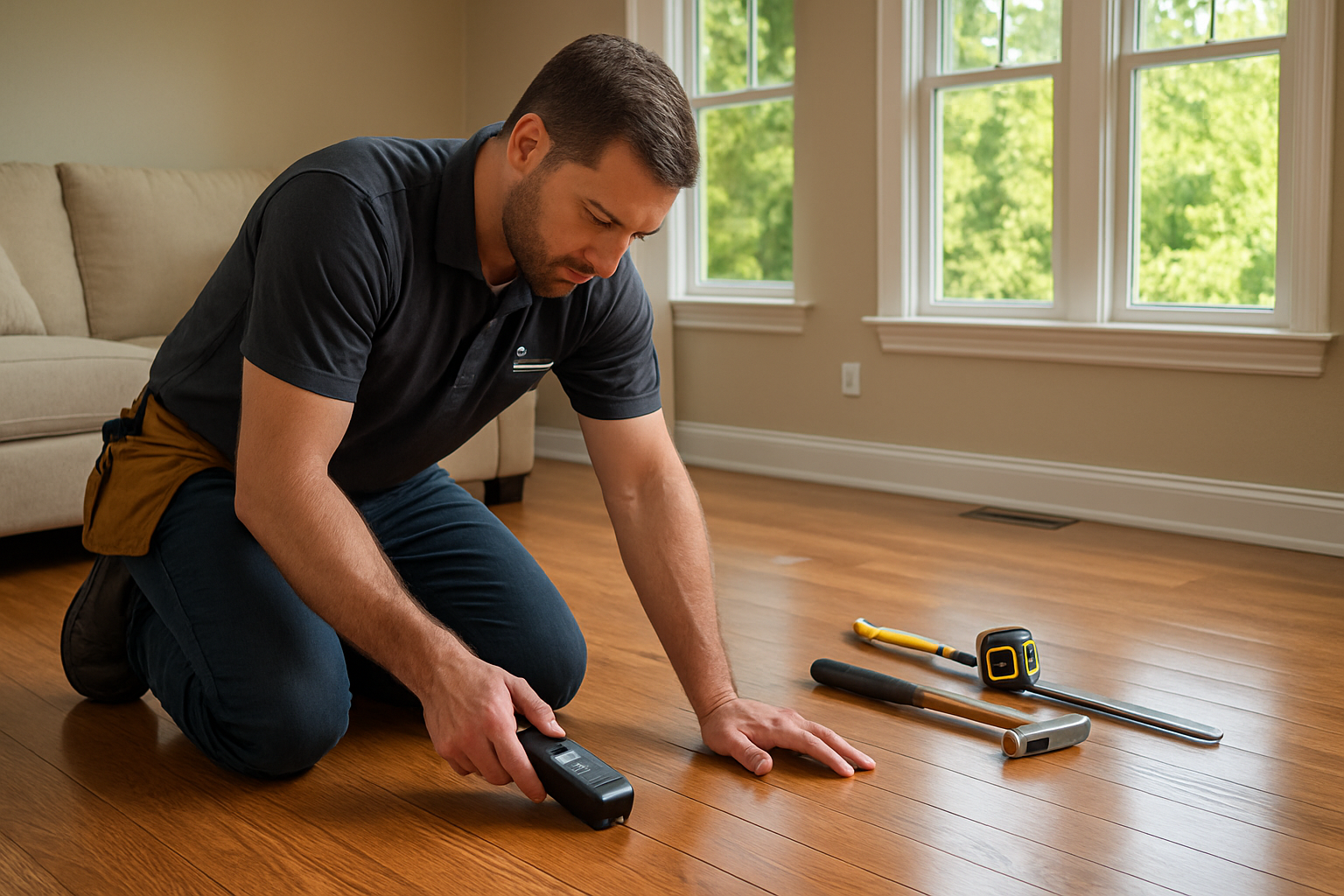
When you choose a flooring company, you are trusting someone with one of the most visible and valuable parts of your home. At Flaker Flooring LLC in Seneca, SC, we take that responsibility seriously. We are local, we know the climate, and we understand the flooring challenges that come with Upstate South Carolina humidity.
Our customers choose Flaker Flooring LLC because we focus on doing the job correctly from the start. That means proper product recommendations, careful preparation, attention to moisture conditions, and honest communication throughout the project. Whether you need hardwood installation, floor replacement, repairs, or guidance on the best flooring option for your home, we bring local experience to every job.
Here is what sets us apart:
- Local knowledge: We understand Seneca’s August humidity, lake-area homes, crawlspace concerns, and seasonal flooring movement.
- Quality workmanship: We pay attention to details like subfloor condition, expansion space, transitions, and finish quality.
- Honest recommendations: We help you choose flooring that fits your home, lifestyle, budget, and maintenance expectations.
- Customer-focused service: We treat your home with respect and keep you informed before, during, and after the project.
- Long-term thinking: Our goal is not just a beautiful floor on installation day—it is a floor that performs well for years.
Final Thoughts: August Protection Starts with Prevention
Wood floors can last for decades in Seneca homes, but August is a month when they need a little extra attention. By controlling indoor humidity, reducing tracked-in moisture, cleaning correctly, and watching for early warning signs, you can help protect your investment through the hottest and most humid part of the year.
If you are seeing cupping, gaps, squeaks, moisture damage, or worn finishes, Flaker Flooring LLC is here to help. We can inspect your floors, explain what may be happening, and recommend the right next step for your home. Whether your floors need repair, refinishing, replacement, or a brand-new installation, our team is ready to provide dependable flooring service right here in Seneca, SC.
Contact Flaker Flooring LLC today to protect your floors from August moisture and temperature swings—and enjoy beautiful flooring built for life in the Upstate.
